
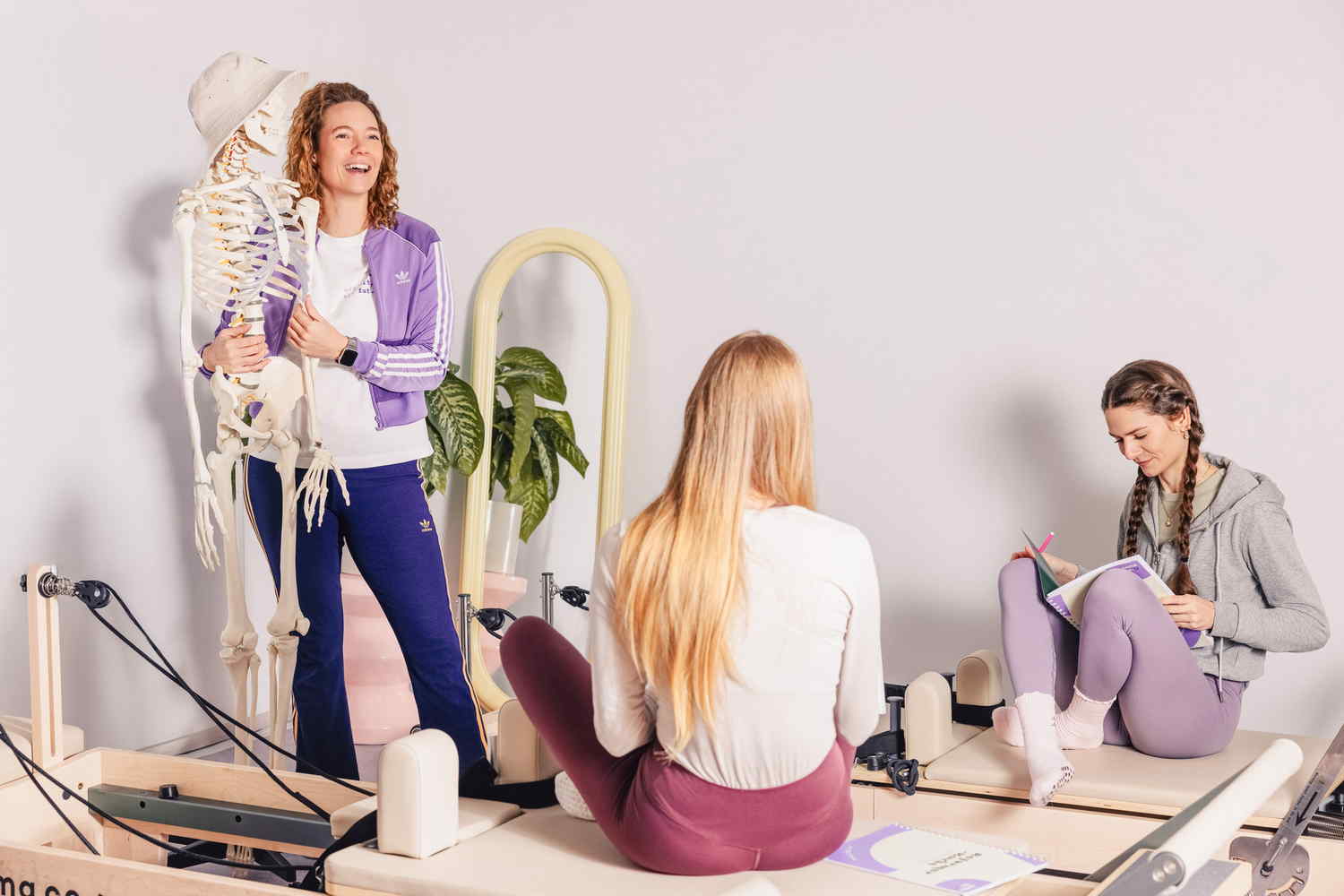
Bone is not a dead frame
Bone is living tissue. It is constantly being broken down and rebuilt. Mechanical load tells it that strength is still required. Hormones, nutrition, age, medication, illness and genetics influence how well that rebuilding happens.
Bone mineral density, usually measured with a DXA scan, is one part of bone strength. It does not capture every detail of bone quality or every reason a person might fall. It is still useful because lower density is strongly associated with higher fracture risk.
Why this matters especially for women
Women generally start with smaller bones than men and lose bone faster during the menopause transition as oestrogen declines. The timing and rate vary widely. Early menopause, low energy availability, some medications, smoking, low body weight and family history can increase risk.
The consequences are not rare. In one Swiss population study, the estimated remaining lifetime probability of a major osteoporotic fracture at age 50 was about 51% for women and 20% for men.[1] Those numbers reflect one country’s fracture rates and life expectancy, so they are not a universal forecast. They do show the scale of the issue.
A fracture can mean pain, lost confidence, time away from work and reduced independence. Hip fractures in particular carry serious health consequences. Bone health is not cosmetic. It is about keeping people in their lives.
The most effective exercise ingredients
1. Progressive resistance training
Squats, deadlifts, presses, rows, step-ups and loaded carries ask muscles to pull on bone while the skeleton handles external load. Progressively heavier training appears particularly useful for the spine and hip.
The LIFTMOR randomised trial studied twice-weekly, supervised high-intensity resistance and impact training in postmenopausal women with low bone mass. After eight months, the intervention group improved lumbar-spine and femoral-neck bone density and physical function compared with a low-intensity home programme.[2] It was a small, carefully screened and closely supervised study. It supports heavy training done well, not unsupervised maximal lifting for everyone.
2. Impact and plyometrics
Hops, jumps, skips and purposeful landings create brief, higher-rate forces that bone can respond to. The dose does not need to look extreme. A handful of well-controlled impacts in several directions can be more relevant than hundreds of identical, low-level repetitions.
Impact must match the person. Someone with vertebral fractures, significant osteoporosis, joint symptoms, pelvic-floor symptoms or little training history needs assessment and a gradual plan. Start with faster heel drops, low step-offs or supported landing practice if that is the appropriate entry point.
3. Variety and direction
Bone is site-specific. It responds where load arrives. A programme should include the spine, hips, legs and upper body, with forces coming through more than one plane. This is one reason a combination of lifting, impact and varied movement makes sense.
4. Balance and power
Density is only part of fracture prevention. The ability to catch a trip, move quickly and trust one leg matters too. Strength, balance and power training help reduce the chance that a loss of balance becomes a fall.
Large reviews generally find that exercise can produce modest improvements or preserve bone density in postmenopausal women, especially when programmes combine resistance and impact. Results vary because studies use different exercises, durations, adherence levels and measurement sites.[3][4] Modest does not mean meaningless. Maintaining bone while an untrained peer loses it is progress.
Where does Reformer Pilates fit?
Reformer Pilates supports movement quality, strength, balance and confidence. Jumpboard work can introduce impact in a supported, adaptable way. It is a valuable lens. Current meta-analysis has not shown a clear bone-density increase from Pilates alone, and the available studies are few and low quality.[5]
So we do not sell Pilates as a replacement for progressive loading. At Soma Co., our Movement Lab and Strength Lab sit together because your body benefits from movement skill and load. Longevity is a team effort.
Food, hormones and medical care still count
Bone needs enough total energy, protein, calcium and vitamin D. Food sources of calcium include dairy, calcium-set tofu, fortified plant milks, tinned fish with bones and some leafy greens. Vitamin D status depends on sun exposure, season, skin pigmentation, diet and supplementation. Testing and dosing belong with a healthcare professional.
Menopausal hormone therapy can reduce bone loss for appropriate patients, while osteoporosis medication may be important when fracture risk is high. Exercise is powerful, but it should not be used to shame anyone away from medical treatment.
We cannot promise perfect bones. We can build stronger reasons for bone to stay, and stronger bodies around it.
Bone density FAQs
Can I increase my bone density again?
Sometimes, yes. Trials show that targeted, supervised resistance and impact training can improve density at some sites, even after menopause. The size of change is usually modest and depends on starting point, health, hormones, nutrition, medication and adherence. Preventing further loss is also a meaningful win.
Is walking enough for bone density?
Walking is excellent for health and helps maintain activity, but habitual walking alone usually provides a limited stimulus for increasing hip or spine density. Add progressive resistance and suitable impact if you can do so safely.
Is heavy lifting safe with osteoporosis?
It can be, with screening, technique and qualified supervision. The LIFTMOR study is encouraging, but participants were carefully selected and coached. Existing fractures, symptoms and medical history change what is appropriate. Speak with your clinician and an experienced exercise professional.
Does Reformer Pilates build bone?
Pilates can improve strength, balance and movement confidence, but current evidence does not show a reliable increase in bone mineral density from Pilates alone. It works best as one part of a plan that also includes progressive resistance and appropriate impact.
When should women start thinking about bone?
Now. Peak bone mass is largely built by early adulthood, but training remains useful throughout life. You do not need to wait for menopause or a low DXA result before making strength part of your week.
How often should I train for bone health?
Two or three strength sessions each week is a practical target for many adults, with brief impact work on several days if appropriate. The exact dose depends on your current capacity and fracture risk. Consistent, progressive training matters more than one heroic session.
Sources and further reading
- Remaining lifetime and 10-year probability of osteoporotic fractures in men and women
- LIFTMOR trial: high-intensity resistance and impact training in postmenopausal women
- Exercise training and bone mineral density in postmenopausal women: systematic review and meta-analysis
- Exercise types and bone mineral density in postmenopausal women: network meta-analysis
- Pilates exercise and bone mineral density in postmenopausal women
This article is educational and does not replace individual medical or nutrition advice. Research changes, and personal health history matters.